First Impression Is a Code Block: Auditing Documentation as Your Real Front Door
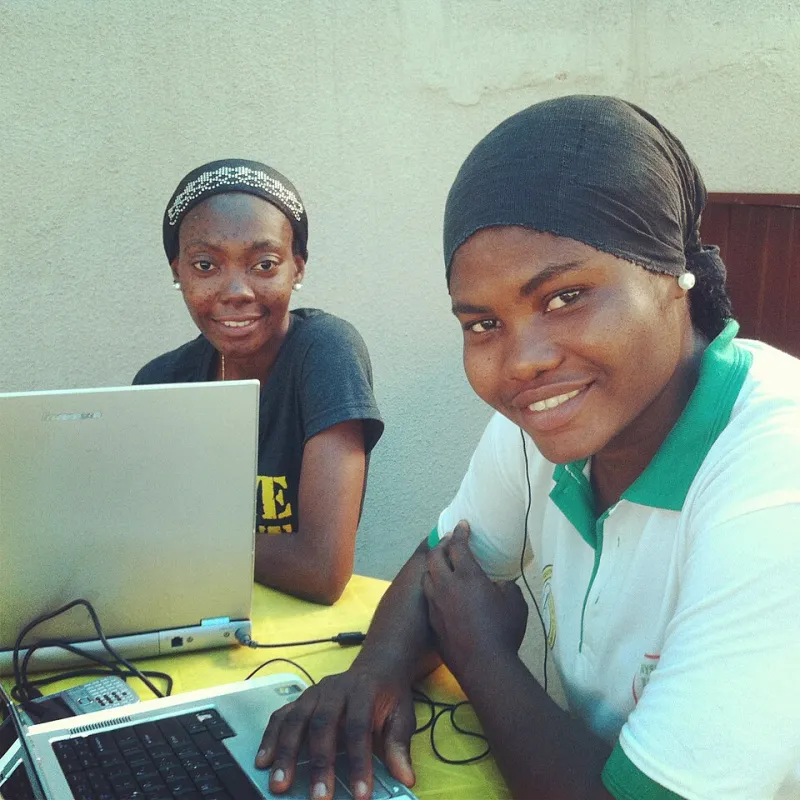
Photo: Rita Ho, Wikimedia developers, and the contributors of the English Wikipedia, CC BY-SA 4.0, via Wikimedia Commons
Nobody runs your code first. They read it.
That's the uncomfortable truth behind most technical adoption decisions. A developer in Denver finds your repository through a search result, a conference talk, or a dependency tree, and within the next few minutes they will decide — mostly subconsciously — whether your project is worth an afternoon of their life. That decision happens in the documentation, not the compiler. The docs are the product that ships before the code does, and most projects have never once audited them with the same rigor they'd apply to a release candidate.
What follows is a framework we've started applying to projects we evaluate at Asterix Project. It's deliberately narrow. Rather than grading documentation holistically — a exercise that produces mush — it targets three artifacts that carry disproportionate weight in a developer's first session.
Artifact One: The Error Message as Brand Ambassador
Every error string in your codebase is documentation that arrives at the worst possible moment. A developer who hits a failure at 11 p.m. doesn't open your README; they read whatever your runtime just printed to stderr. That message is, functionally, the only doc they're consuming.
Audit it like prose. Pull the ten most common failure paths — missing config file, wrong version, unreachable network endpoint, bad permissions — and read them cold. Score each on three axes:
- Diagnosis: Does the message state what went wrong, specifically?
- Remedy: Does it suggest the next action, or merely mourn?
- Searchability: If the developer pastes it into a search engine, will they land somewhere useful?
A message like Error: initialization failed scores zero on all three. Config file not found at ~/.mytool/config.toml — run 'mytool init' to generate one, or set MYTOOL_CONFIG to a valid path scores three. The difference costs a maintainer perhaps five minutes to write and saves every future user five minutes to suffer through.
Artifact Two: The Install Page Lie Detector
Installation instructions rot faster than any other documentation, because they depend on an environment you don't control: OS version, package manager state, shell, architecture. The install page is therefore a claim about the world, and claims need verification.
The audit is simple and humbling: spin up a clean virtual machine — a fresh Ubuntu LTS image and a stock macOS container will cover the majority of your US-based audience — and follow the install page literally. Not the way you think it reads. The way it reads. Every command, in order, without filling in gaps from memory.
Track three failure classes:
- Silent gaps — steps that work only because you, the author, already had something installed.
- Version drift — instructions referencing a package name, flag, or path that changed in the last two releases.
- Order dependence — steps that fail if performed in the sequence written.
If your install page survives two clean-room runs per quarter, you're ahead of most of the ecosystem. If it doesn't, you've found the cheapest possible fix for a problem that was silently costing you adopters.
Artifact Three: The Copy-Paste Test
The quickstart snippet is the single highest-traffic piece of prose your project owns. Treat it like a landing page above the fold.
The test: a developer should be able to select the first code block, paste it into a terminal, and get observable progress — output, a running process, a success message — without editing a single character. Every placeholder (<your-api-key>, your-project-id) is a breakpoint where momentum dies. Some are unavoidable; most are not. Where a placeholder is required, the surrounding text should say exactly where to get the value, with a link.
Score the quickstart on a simple rubric:
- 3 points if the first block runs unmodified and produces visible output.
- 2 points if it runs but output is ambiguous about success.
- 1 point if one edit is required and its source is documented.
- 0 points if the developer must consult another page to make the first command work.
Anything under a 3 is a bug with a README attached.
Running the Audit
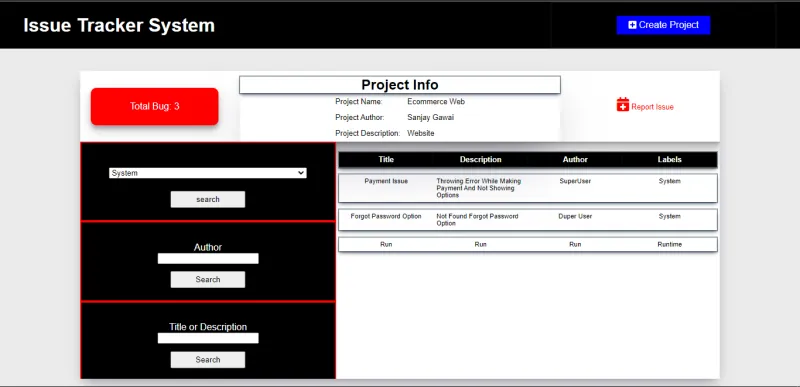
The full framework fits on one page. For each of the three artifacts, collect evidence (screenshots of real error output, VM session recordings, a colleague's untouched paste attempt), score against the rubric, and file the gaps as issues with the same triage as code defects. That last step is the one projects skip, and it's the one that matters. Documentation debt that lives in a separate tracker with a separate priority scale is documentation debt that never gets paid.
Re-run quarterly, or after every minor release that touches setup, configuration, or CLI output. The whole exercise takes a maintainer half a day.
The payoff is asymmetric. Code quality is expensive to demonstrate and slow to perceive. Documentation quality is cheap to fix and perceived immediately. When a stranger decides whether your project deserves their Saturday, the docs cast the only vote that counts — so it's worth making sure they vote in your favor.